
In our present age when phones incessantly beep with notifications and minds flit between endless to-do lists, it comes as little surprise that anxiety has grown to define contemporary life. Discovering minor yet meaningful approaches to pause, unwind, and reset has never been more crucial. While meditation apps and fitness routines garner much spotlight, a further unexpected instrument is used daily by millions: the gratis cell game.
This vintage solitaire-style card puzzle, once pre-installed with earlier versions of Microsoft Windows, has evolved into a global preferred pastime not merely as a diversion, but also as a dependable source of stress alleviation. Its unique blending of strategy, access, and involvement renders it greater than “just another card game.” Alternatively, free cell games offer players a low-pressure setting wherein focus, problem-solving, and satisfaction intersect in a manner that aids in restoring equilibrium to the mind.
Within this post, we will scrutinize the psychological benefits of free cell, why it proves particularly effective for relaxation, and how participants regardless of being casual gamers or card aficionados can maximize its potential as an everyday stress-relief instrument.
The Enduring Popularity of Free Cell
To understand why free cell games have become synonymous with relaxation, it helps to know where they came from. The origins of Freecell as a digital pastime date back to the early 1990s, when it was preinstalled on millions of personal computers running the Microsoft Windows operating system. Unlike games of chance such as Minesweeper or traditional Klondike solitaire which rely heavily on luck, Freecell offered users something unique – with enough analytical thinking and strategic planning, nearly every layout could be solved. This sense of possibility afforded players a feeling of being in control of their own accomplishment, serving as a welcome contrast to other card-based games dominated by randomness.
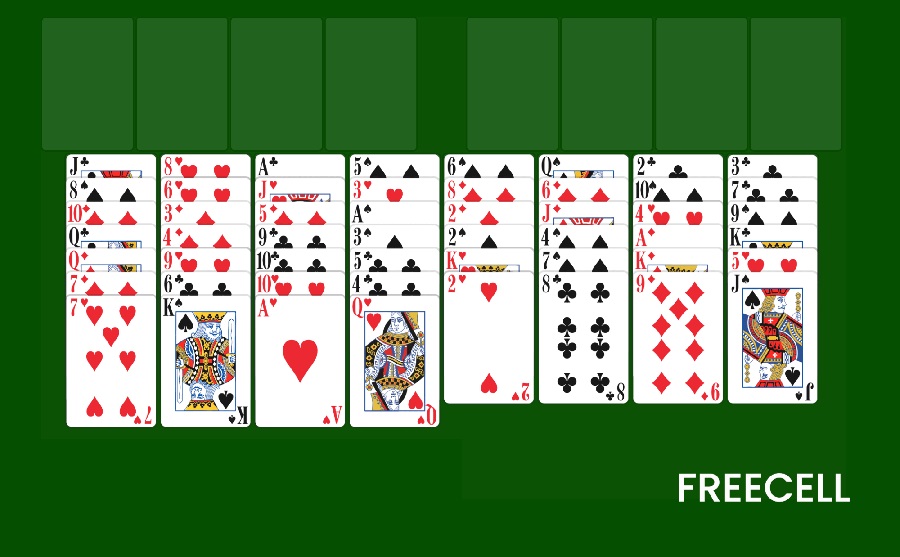
The rules of Freecell are straightforward yet nuanced: a standard 52-card deck is dealt face-up randomly into eight tableau columns and four open “cells.” The aim is to build foundations of cards in suits from ace to king by moving them from the tableau or cells, using the latter as temporary holding places. However, the brilliance of Freecell lies in balancing simplicity and complexity – its mechanics are easily picked up yet remain engaging enough to test even veteran strategists.
Today, Freecell remains as popular as ever, with online and mobile versions ensuring worldwide accessibility anytime, anywhere. Whether played briefly at a cafe between tasks or during a commute on a smartphone, the game continues to serve both as a mental exercise and an effective way to unwind and decompress from the pressures of daily life.
Why Free Cell Works as Stress Relief
It Combines the Challenge of Control and Chance
Often stress stems from feeling powerless against overwhelming odds or an uncontrollable outcome. Yet free cell turns the tables. Unlike games governed purely by randomness, success in free cell relies mainly on skill. While the layout presents intricacies, the player knows persistence and clear thinking can conquer any puzzle. This understanding cultivates resilience to face hurdles with calm calculation rather than defeat.
A Gentle Mental Exercise
Comparable to crosswords or Sudoku, free cell engages the mind in strategic problem-solving. Anticipating several steps and adjusting plans require cognitive dexterity. Psychology shows that diverting mental energy from worries to puzzles reduces stress. In other words, concentrating on overcoming a free cell’s challenge and reward fills the mind, leaving less room for rumination.
Swift Satisfaction and Instant Gratification
Relief doesn’t mandate hour-long commitments. A single free cell game often concludes within 5 to 15 minutes, making it the perfect micro-break. Completing a puzzle instills a fleeting yet rejuvenating sense of success a dopamine boost that cultivates positivity. For busy professionals perpetually pressed for time, these brief wins significantly impact mood throughout long days.
A Safe Escape from Reality
Not all escapes are healthful. Endless social media perusing, for instance, sometimes exacerbates anxiety. Free cell provides a safe structured departure from pressures without uncontrolled diversions. Unlike competitive multiplayer games, free cell exposes no social judgment, depending solely on self-improvement. This eliminates external stress, allowing renewed focus.
The Science Behind Relaxing Card Games
Studies on casual gaming consistently highlight stress-reducing benefits. Research published in the Journal of CyberTherapy and Rehabilitation suggests that casual games can lower cortisol levels, the hormone most associated with stress. Games like Bejeweled were found to improve mood and decrease anxiety symptoms in participants with just brief play sessions according to a recent report in the Games for Health Journal.
FreeCell in particular seems quite effective at reducing tensions due to several psychological factors it taps into:
Flow State: Renowned psychologist Mihaly Csikszentmihalyi described “flow” as a state of deep immersion where one loses track of time. FreeCell, with the right balance of challenge and accessibility, excels at inducing flow.
Problem-Solving Satisfaction: Resolving logical puzzles rewards the brain with dopamine, a neurotransmitter that naturally combats stress and lifts mood.
Mindful Focus: Concentrating on moving one card after another mirrors key aspects of mindfulness meditation, anchoring attention fully in the present moment. Gradually clearing all the cards brings satisfaction in a task completed.
Free Cell vs. Other Stress-Relief Games
While many games can entertain us, few games strike the balance that solitaire provides. Let’s explore this balance:
Traditional solitaire can feel like a gamble; a losing streak may frustrate rather than soothe the mind. Success relies heavily on luck’s favor.
Crossword and Sudoku puzzles engage the mind profoundly, but sometimes their intricate challenges demand too much focused effort for a quick release.
Mobile arcade pastimes frequently depend on rapid reflexes and timed obstacles, amping adrenaline where calm is needed.
A solitaire layout rewards strategic thinking over rapid tapping. Near endless possibility for solutions spread the stress melting focus over contemplation instead of panic.
This special formula has kept solitaire relevant as a tension tamer for decades since moving to screens. Where other games take our troubles elsewhere if only briefly, solitaire’s pace and patience create an oasis for peaceful problem-solving.
How to Use Free Cell Games for Stress Relief
Set Boundaries for Play
Ironically, too much of a good thing can backfire. To maximize free cell as a relaxation tool, treat it as a short break activity rather than an all-day obsession. Aim for one or two games during high-stress moments, such as between meetings or after a long commute.
Focus on the Process, Not Just Winning
One of the key stress-relief benefits of a free cell game is the act of problem-solving itself. Even if you don’t complete the game, the focus and engagement still provide mental respite. Shift your mindset from “I must win” to “I’m enjoying the puzzle.”
Play on the Right Platform
Modern versions of free cell are sleek, fast, and mobile-friendly. Sites like Solitaire.net and apps available on iOS and Android provide easy access without clunky interfaces. Choosing a smooth platform ensures the game feels like a break, not another source of frustration.
Pair with Other Relaxation Techniques
For even greater stress relief, combine free cell with mindfulness habits. For example, before starting, take three deep breaths. While playing, notice how your thoughts shift away from external worries. After finishing, stretch or sip a calming tea. This creates a holistic relaxation ritual around the game.
Free Cell as a Social Connector
Although usually a solitary pursuit, there is a sociable element to free cell that brings people together. Online forums serve as gatherings where experts swap tips on tactful tactics or exceptional expeditions surmounting stubborn shuffles. Some apps showcase leaderboards where competitors can contrast capacities in a congenial, casual climate.
Social sites supply an additional layer of stress relief. Discussing strategies, congratulating conquerors, or chuckling about calamities renews positive perspectives and bolsters alliances with others who allot enjoyment to the same interest. In a world where strain regularly isolates individuals, even minute connections kindled around a free cell game can generate considerable comfort.
The Broader Impact: Building Mental Resilience
Stress relief isn’t only about immediate calm it’s also about building long-term resilience. By regularly engaging with games like free cell, players cultivate skills that extend beyond the screen:
- Patience: Learning to work through difficult puzzles without rushing.
- Strategic Thinking: Training the brain to evaluate options before acting.
- Adaptability: Practicing how to change plans when obstacles arise.
These traits are invaluable in daily life, from managing work projects to navigating personal challenges. Free cell may look like a simple card game, but its mental benefits ripple outward in ways that promote balance and confidence.
Practical Takeaways for Players
Play in Moderation: Treat free cell games as short mental breaks to refresh and recharge rather than marathon sessions that exhaust your mind.
Seek Flow and not just Victory: Aim for full immersion in the puzzles, letting time slip away as you race to clear the board, for this is when the stresses of life truly fade from your awareness.
Choose Your Platform Wisely: Play on clean, crisp designs with no blinking ads or pop-ups to depress and distract, keeping your mind tranquil and focused on the challenge.
Reflect on the Afterglow: Take a moment after each game to notice how your thoughts have stilled and your mood has lightened, as if washed by a calming tide.
Experiment Strategically: Try playing in the morning to start your day smoothly, or in the evening to unwind your cares into dreams, letting the layout guide your day.
Conclusion: A Simple Yet Powerful Stress-Relief Tool
In our constant pursuit of stress relief, we commonly disregard the humble tools readily available. Solitaire is one such hidden gem. What began as a pre-installed time waster has evolved into a universally beloved puzzle offering far more than mere diversion. Its strategic depth, ease of access, and psychological advantages make it an ideal way to pause, focus one’s mind, and release tension.
Whether an avid gamer seeking casual respite, an enthusiast craving an intellectual challenge, or someone simply seeking a reliable stress management ritual, solitaire has something to offer. The next time your thoughts race or muscles tighten, try a round – you may be surprised by the restorative power of a few minutes spent lost in logical card manipulation.