
Ten years. That is roughly when a lot of flat roofs start forcing a decision, and the decision is rarely obvious from the ground. The membrane has gone dull, a seam has lifted near the parapet, and there is a tan ring on the back bedroom ceiling that grows a little after every storm. One contractor says a coating will buy fifteen more years. Another says the whole thing has to come off.
Both of them might be right. The answer depends on things nobody can see from a ladder, which is exactly where most owners get stuck. Around West Valley City, Dedication Roofing has spent several generations as a family business on local roofs, and its focus on low-slope work comes with manufacturer approval for both membranes and coating systems. That approval is worth understanding before you compare bids, because it is usually what decides whether a long factory warranty is even on the table.
The rest of this piece walks through how that recoat or replace call actually gets made.
The Wet Layer Nobody Talks About
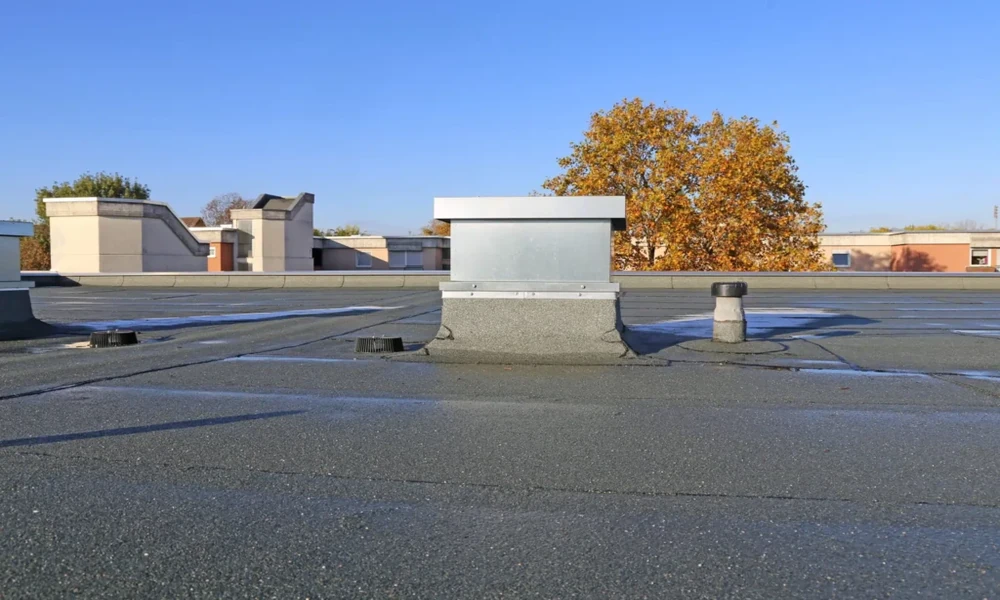
Most flat roofs are sandwiches. There is a deck at the bottom, rigid insulation board in the middle, and a waterproof membrane on top. When a seam or flashing fails, water rarely drips straight through. It soaks sideways into the insulation first, sometimes for years, before a ceiling stain ever shows up.
That hidden moisture is the single biggest reason coatings fail early. Roll a fresh coating over wet insulation and you have sealed the water in. The insulation keeps losing its R-value, the deck underneath can start to rot, and trapped vapor eventually pushes blisters up through the new surface.
A proper assessment starts with a moisture survey. Contractors may scan the roof with an infrared camera in the evening, when wet areas hold heat longer than dry ones, then confirm with a moisture meter and a few small core cuts. A common rule of thumb in the coating industry says that once wet insulation covers more than about a quarter of the roof, restoration stops making financial sense. Below that, the soaked sections can be cut out and replaced, and the rest of the roof becomes a good candidate for coating.
Every Flat Roof Ages in Its Own Way
The material already up there narrows your options before the conversation even starts. Salt Lake Valley flat roofs come in a handful of familiar types.
Older ranch homes and small commercial buildings from the postwar decades often still carry built-up tar and gravel, which has to have the gravel scraped off before anything can bond to it. Modified bitumen, the rolled roofing found on many additions, carports and porch roofs, usually takes a coating very well. EPDM rubber needs specific primers or the coating simply peels away. TPO can be coated too, though adhesion is fussier and depends heavily on the surface prep. Spray foam roofs are designed to be recoated periodically and almost always are.
Layer count matters as well. Building codes generally cap a roof at two layers, so a roof that has already been covered over once cannot take another new membrane on top. In that case the old material comes off whether you like it or not.
What a Coating Really Buys
A liquid coating is a seamless rubbery skin applied over the existing roof. It skips the tear off, keeps old material out of the landfill, and can often be finished in a few days with the building still in use. Three families do most of the work.
- Silicone handles standing water and harsh sun better than the others, which makes it the usual pick for roofs with a few low spots.
- Acrylic costs less and reflects heat well, but it struggles where water ponds for days at a time.
- Urethane is the toughest against foot traffic and impact, so it shows up on roofs that carry HVAC units and regular service visits.
A white coating also cuts the heat a roof soaks up during summer, and the U.S. Department of Energy’s guide to cool roofs explains how reflective surfaces can lower cooling loads in the rooms below. On a top floor or a converted garage that bakes every July, owners often notice the difference within the first season.
Thickness is where a coating job lives or dies. Every warranty is tied to a specified dry thickness measured in mils, and a crew that thins the product or skips a second pass to save material will leave weak spots that fail long before the warranty period ends.
When Tearing Off Costs Less in the Long Run
Sometimes a coating only delays a bigger bill. Replacement tends to be the smarter money in a few clear situations.
The deck feels soft or springy underfoot. Water ponds in the same spots for days after every storm because the structure has sagged or the roof was never sloped properly, and a new roof lets you add tapered insulation that finally sends water to the drains. The old membrane has turned brittle, shrunk away from the edges, or been patched so many times that there is no sound surface left to bond to. Or you are planning rooftop solar, a new cooling unit, or a remodel that will poke fresh holes through the roof anyway.
Replacement also gives you the chance to bring insulation up to current energy code levels, something a coating cannot do.
How the Wasatch Climate Works on Low Slopes
Valley roofs take punishment from several directions at once. At more than 4,000 feet of elevation, summer UV is intense, and a dark roof surface can run far hotter than the air temperature on a July afternoon. That daily cycle of expansion and contraction is what pulls seams apart and cracks old flashing.
Winter brings a different problem. Sunny days melt snow sitting on a flat roof, then clear nights refreeze it around drains and scuppers. Ice dams on a low slope do not just hang off the edge. They back water up against seams that were never meant to sit submerged. Add canyon winds that tug at loose edges and the fine grit that settles out of inversion season and clogs drains, and it becomes clear why a flat roof here needs a look twice a year rather than once a decade.
Fall Is the Deadline Most People Miss
October is a narrow window. Most coatings need dry surfaces and temperatures above a set minimum to cure, and the cold nights and heavy morning dew of late fall shrink the usable hours each week. Once snow arrives, a moisture survey becomes unreliable and coating work largely stops until spring.
When the bid arrives, read it slowly. A solid proposal names the exact product, the dry mil thickness, the prep steps such as power washing and fabric reinforcement at seams, and what happens to any wet insulation that turned up in the survey. It should also say plainly whether the warranty comes from the manufacturer, covers materials only, or rests on the contractor’s own workmanship promise. Those three are not the same thing, and the gap between them is often the gap between a roof that lasts and one you are paying for twice.