
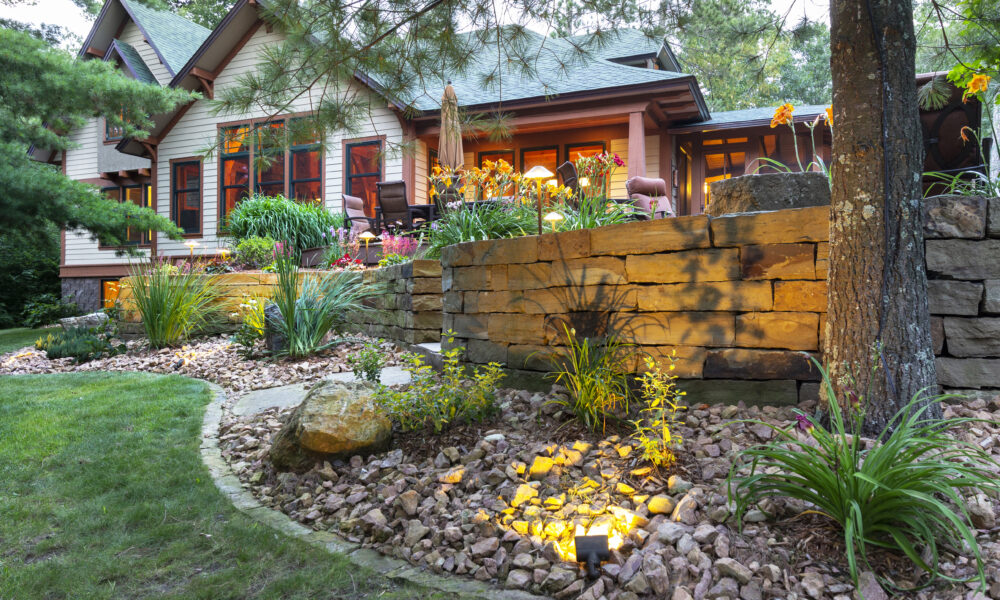

Homeowners in Miami value outdoor spaces that feel calm and inviting. A Japanese-inspired garden can offer peace, balance, and a sense of nature close to home. Before moving forward, it helps to pause and think about the right questions.
A Japanese-inspired layout can bring harmony to a yard when planned with care. For Japanese landscaping in Miami, local conditions shape every choice, from plants to layout. This article explains the main questions homeowners should ask before starting, so each decision supports beauty, comfort, and long-term value.
How Will the Design Match the Local Climate?
A Japanese-inspired space depends on harmony with nature, so climate plays a major role. Miami’s climate comprises warm temperatures, high humidity, and strong sunlight for much of the year. Homeowners should ask if the chosen plants and features can handle these conditions without stress.
Water flow also matters here. Gentle streams, small ponds, or stone basins should fit rainfall patterns and drainage needs. Shade from trees or structures can protect delicate elements while keeping the area comfortable. When the design works with the local weather, the space feels natural instead of forced.
Which Traditional Elements Fit Personal Taste?
Japanese-inspired spaces rely on meaning and balance rather than decoration alone. Homeowners should think about which elements speak to them. Stone lanterns, gravel paths, and wooden bridges each carry a calm presence.
It helps to ask how these features will connect with daily life. Will the space serve quiet reflection, social moments, or simple enjoyment of nature? A clear purpose guides the design and prevents clutter. Thoughtful choices allow the space to reflect personal values while honoring tradition.
Are the Materials and Plants Well Suited?
Materials and plants shape both beauty and durability. Homeowners should ask if each choice suits the local setting and long-term care needs in Miami. Natural materials tend to age well and support an authentic feel. The right selections help the space stay visually balanced over time.
Consider these points when reviewing options:
- Use stones that resist moisture and heat without cracking.
- Select plants that thrive in warm, coastal conditions.
- Choose wood treated for outdoor use to avoid decay.
- Pick ground covers that stay neat with minimal trimming.
These decisions support a balanced look and reduce future issues.
What Level of Care Will the Space Need?
Maintenance shapes the experience long after construction ends. Homeowners should ask how much time they can dedicate each week. Some features require regular attention, while others stay stable with light care.
For Japanese landscaping in Miami, proper upkeep keeps the space calm and orderly despite fast plant growth. Pruning, raking gravel, and checking water features preserve the intended look. Planning for care from the start prevents stress and keeps the area inviting year-round.
How Will the Space Support Daily Life?
A Japanese-inspired garden should feel peaceful and useful at the same time. Homeowners should ask how they plan to use the area each day. Seating, walking paths, and views from inside the home all affect enjoyment. Comfort should guide every design decision.
The design should guide movement and rest without feeling rigid. Open views encourage calm, while framed scenes draw the eye. When the layout supports daily routines, the space becomes part of life rather than a distant feature.
Designing a Japanese-inspired garden calls for reflection, patience, and respect for nature. By asking the right questions, homeowners can shape a space that feels balanced and meaningful. With thoughtful planning, a calm outdoor retreat can enhance daily living in Miami for many years.