
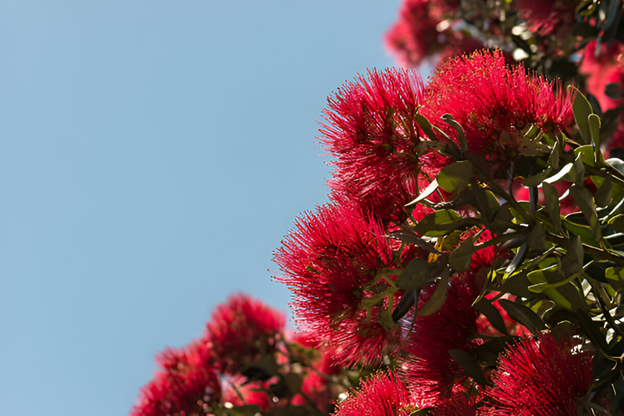

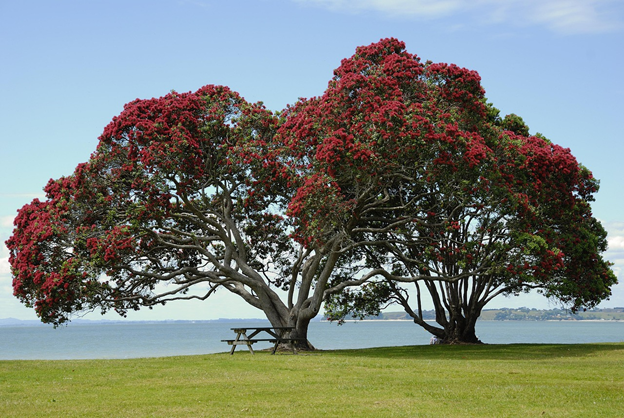
In summer, Pohutukawa tree blooming with crimson flowers is a classic component of coastal scenery in New Zealand. This tree is also called the ‘New Zealand’s Christmas tree’ and in December it bursts into full magnificence, adding a festive flair to the beaches and patios. Apart from its amazing looks, this tree provides shade, protection for indigenous fauna, and is connected deeply with the land’s heritage.
Where Nature Meets Design
The Plant Company in NZ offers variety of plants and landscaping services. They help to include the beauty of nature into customers daily life. Economical rates allow customers to purchase Pohutukawa trees. Including this famous tree into your property is about merging artistic appeal with useful advantages in a way that reveals your personal taste.
Choosing the Right Location
Where you plant a Pohutukawa tree, is a thing to consider. These are trees that prefer a well-drained soil and will flower well under direct sun. Young plants will not survive exposure to the cold in a frost prone area without some form of protection, although they may survive salt waters and coastal breezes. When you live inland you may desire to plant them in some sheltered place where they can have plenty of sunshine.
Soil Preparation and Planting
Healthy growth during the years is facilitated by a good start. Plant after loosening and mixing organic compost into the dirt, as it will lift the nutrient level and structural integrity. Place the root ball in a hole that is twice its diameter and as deep. Position the tree, add the roots into the soil, backfill with soil, and water frequently to ensure the roots stabilize. Mulching near the root will retain moisture and keep away weeds, although leave some space around the trunk to prevent rotting.
Feeding and Watering
It is actually beneficial to regularly water the young Pohutukawa trees during the dry season, although the older ones are drought resistant and hardy. It is good to give it a good soak once a week which encourages good root growth. It is best to provide the tree with nutrients to promote bright flowers and lush leaves through slow-release low-phosphorus fertilizer in the Spring. Overfeeding is malevolent since excessive nutrients may cause fast but weak plant growth.
Pruning for Shape and Health
Basically, these trees don’t need pruning but a little effort can help a lot. Removing the dead or crossing branches promotes flow and reduces the chances of getting diseased. Prune lightly later on in the summer, after flowering encourages a balanced shape. Do not over-prune as this may overstress the tree affecting its bloom cycle.
Common Challenges and How to Avoid Them
Pohutukawa trees are normally hardy but vulnerable to diseases such as fungus-related or scale-insect. The best defense you provide is ventilation, proper spacing as well as the avoidance of water saturated surroundings. In the event of having pests, treat at an early stage using ecofriendly remedies to avoid damage. Young trees need to be shrouded with frost cloth in the winter in frost-prone regions until well established.
Conclusion
Not only will planting a Pohutukawa brings iconic heritage and beauty to your garden. With proper location and care, this hardy native tree will offer you and your family decades of beauty, shade and charm. It doesn’t matter if you live near the sea of inland, it is a tree worth planting for future.