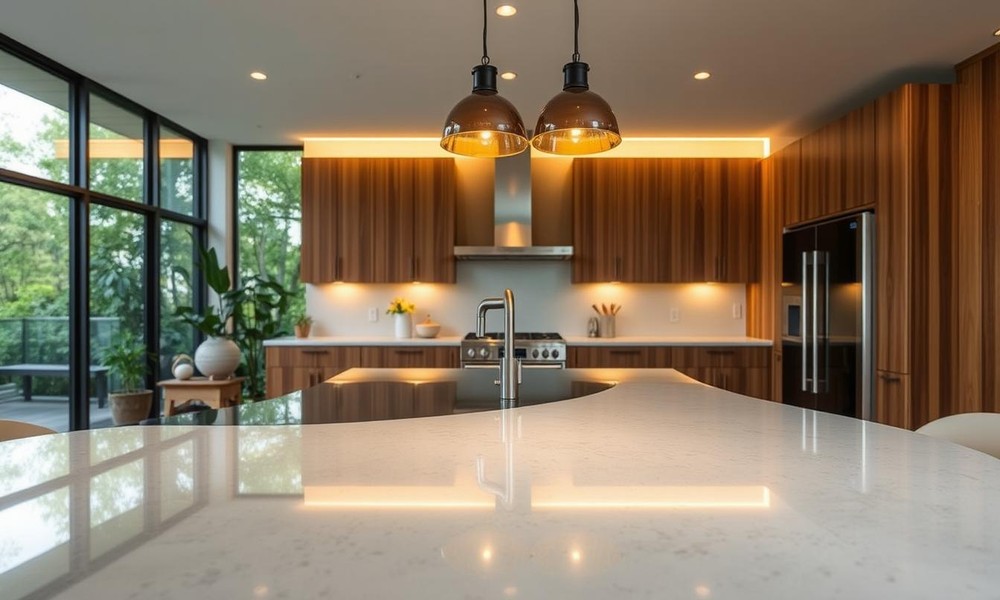

Quartz countertops have emerged as the go-to surface for homeowners who want elegance without sacrificing environmental responsibility. The rise of eco-conscious living is transforming how people choose materials for their kitchens and bathrooms, and quartz is at the center of this sustainable shift.
Why Eco-Conscious Homeowners Choose Quartz Countertops
Traditional natural stone countertops might seem like the green choice at first glance, but the reality is more complex. Quartz surfaces are engineered using abundant materials, and their manufacturing process can be more sustainable than quarrying granite or marble. Eco-conscious consumers gravitate toward quartz because it offers a balance between beauty, practicality, and a reduced environmental footprint.
Environmental Impact: Quartz vs. Traditional Materials
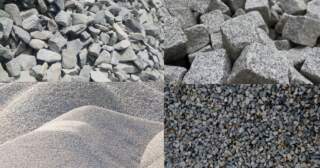
Natural stones such as granite and marble involve intensive quarrying that scars landscapes and consumes significant fossil fuels. Quartz, by contrast, is composed of roughly 90-95% natural quartz aggregates mixed with resins and pigments. Since quartz is one of Earth’s most abundant minerals, sourcing it causes less disruption compared to extracting rarer stones.
Sustainable Sourcing and Manufacturing Practices
Many quartz manufacturers are investing in closed-loop water systems and renewable energy for production. Some even incorporate recycled materials, transforming waste glass or stone into countertops. When choosing suppliers, it’s worth investigating their environmental certifications and whether they use locally sourced components to cut transportation emissions.
Comparing Quartz to Other Popular Countertop Materials
Material choice can make or break a home’s sustainability profile. Let’s see how quartz stands up against the competition.
Quartz vs. Granite: Durability and Eco-Friendliness
Quartz is non-porous, which means it resists stains and does not need to be sealed, unlike granite. Granite extraction is energy-intensive and often involves long-distance shipping, whereas many quartz brands now focus on regional sourcing and efficient manufacturing.
Quartz vs. Marble: Maintenance and Longevity
Marble, while stunning, is porous and highly susceptible to etching and stains from daily use. Maintenance requires chemical cleaners and frequent sealing. In contrast, quartz surfaces need only mild soap and water, reducing the need for harsh chemicals in your home.
Quartz vs. Laminate and Solid Surface: Cost and Environmental Trade-Offs
Laminate and solid surface materials may have a lower upfront cost, but they are less durable and often incorporate more plastics and non-renewable resources. Quartz offers a middle ground: it is more durable than laminate and has a longer lifespan, making it a more sustainable investment in the long run.
The Lifecycle of Quartz Countertops
Understanding a product’s full journey from raw material to end-of-life disposal reveals much about its eco-credentials.
Raw Material Extraction and Processing
Quartz countertops use crushed quartz mixed with resins, sometimes including post-industrial recycled content. This method requires less raw extraction and leverages existing waste streams.
Installation Footprint and Waste Management
Quartz slabs can be fabricated to precise dimensions, minimizing waste during installation. Many fabricators recycle leftover scraps, further reducing landfill contributions.
End-of-Life: Recyclability and Disposal Options
Although quartz countertops are not widely recycled after their useful life, their durability means they rarely need replacement. Innovative companies are beginning to explore take-back and repurposing programs, hinting at a more circular future for kitchen surfaces.
Health and Safety Benefits for Green Homes
Indoor air quality matters just as much as outdoor sustainability.
Non-Toxicity and Low VOC Emissions
Quartz countertops are inherently non-porous and do not off-gas volatile organic compounds (VOCs), unlike some cheaper alternatives. This helps maintain a healthier indoor environment, free of toxins.
Resistance to Bacteria and Mold Compared to Other Surfaces
The non-porous nature of quartz prevents moisture absorption, which, in turn, inhibits the growth of bacteria and mold. This is a significant advantage over porous surfaces such as wood, marble, or even certain types of granite.
Cost Analysis: Investment in Sustainability
It’s easy to focus on the sticker price, but the true value of quartz is revealed over time.
Upfront Costs and Long-Term Value
Quartz countertops typically cost more upfront than laminate but are comparable to granite. However, their longevity and minimal maintenance make them a better investment for eco-conscious homeowners seeking durability.
Energy and Water Savings in Maintenance
A simple wipe with soap and water keeps quartz clean, reducing the need for specialty cleaners and repeated deep-cleaning, which saves both energy and water.
Real-World Eco-Friendly Quartz Countertop Solutions
Leading brands are prioritizing recycled content, clean manufacturing, and certifications such as GREENGUARD or NSF. Some retailers, like Kitchen Wholesalers, offer a curated selection of quartz countertops, often highlighting environmentally responsible options in their showrooms.
Making the Smart Choice: Tips for Eco-Conscious Buyers
Before making a purchase, ask suppliers about recycled content, manufacturing practices, and certifications. A genuine eco-friendly quartz product should have transparent sourcing and minimal environmental impact.
Future Trends in Eco-Friendly Countertop Materials
Innovators in the quartz industry are exploring bio-based resins, solar-powered manufacturing, and cradle-to-cradle designs. While quartz currently leads in balancing sustainability and style, emerging materials such as recycled glass and sintered stone are pushing the conversation forward.
Quartz countertops are more than a design statement, they are a practical, responsible investment for eco-conscious homes, blending aesthetics, durability, and sustainability in one surface.