
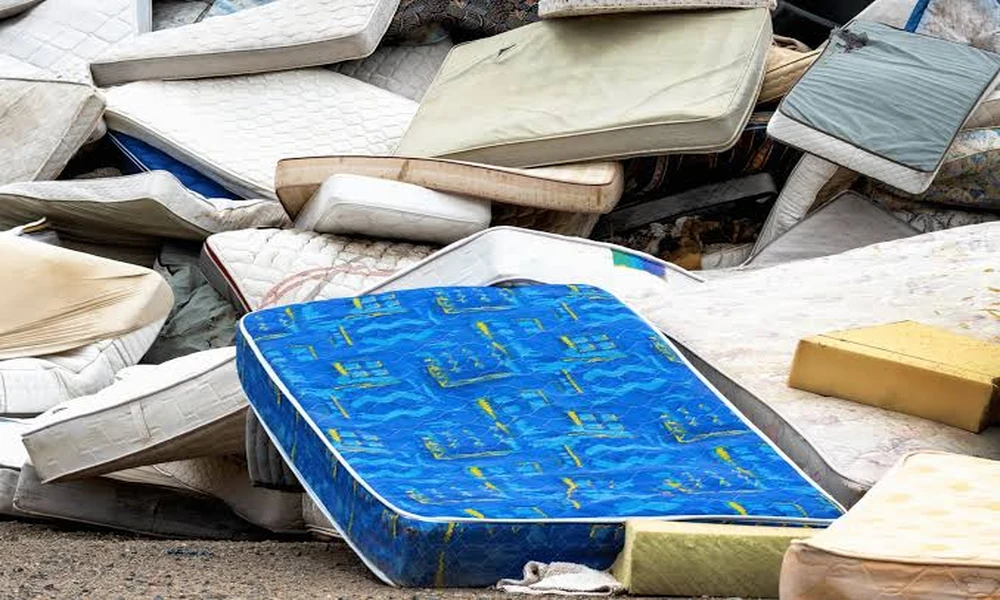

Mattress removal rarely tops anyone’s list of urgent household concerns, yet the consequences of tossing an unwanted mattress can linger for years in landfills, leaching chemicals and wasting valuable resources. In a world striving for environmental responsibility, the way we part with our sleep surfaces is becoming a key part of the circular economy conversation.
Understanding the Importance of Responsible Mattress Removal
Mattresses are bulky, complex, and traditionally tough to dispose of. Their sheer size is only the beginning; inside, layers of foam, metal, fiber, and wood create recycling challenges that landfills have struggled to keep up with.
Environmental Impact of Mattress Waste
A single discarded mattress can take decades to break down. Chemicals from flame retardants and synthetic foams may seep into soil and waterways, while the metal and wood remain unused, locked away underground. Landfills worldwide are rapidly reaching capacity, and mattress waste is a growing part of the problem.
How Mattress Recycling Supports the Circular Economy
Rather than viewing mattresses as single-use products, responsible removal recognizes their potential as raw material sources. Recycling transforms components into valuable materials for new products, reducing the need for virgin resources and slashing environmental impact. This is the circular economy in action: minimizing waste by keeping resources in use for as long as possible.
Overview of Mattress Recycling Practices Worldwide
Globally, mattress recycling is gaining momentum. In France, over a million units are recycled annually, setting a standard for other nations. Between Quebec and Ontario, more than 400,000 mattresses are processed each year, mirroring Europe’s dedication to sustainable practices.
Case Study: Mattress Recycling in Canada and Quebec
Scale and Scope of Mattress Recycling Efforts
Canada’s efforts are impressive, especially in Quebec and Ontario. Hundreds of thousands of mattresses are diverted from landfills yearly, each one processed for maximum resource recovery.
Key Stakeholders: From Consumers to Recycling Companies
The circular economy thrives on participation from everyone involved. Consumers must choose responsible disposal; collection crews handle logistics; companies like Recyc-Matelas lead the recycling process; and manufacturers increasingly seek recycled material for new products.
The Role of Recyc-Matelas in Driving Change
A standout example, Recyc-Matelas mattress removal, demonstrates what’s possible when innovation meets commitment. Their process not only keeps massive volumes of waste out of landfills but helps set the standard for an entire industry.
Step 1: Preparing Your Mattress for Removal
Assessing Mattress Condition and Material Composition
Not every mattress is a candidate for recycling. Check for excessive soiling, infestation, or water damage. Mattresses in good condition are easier to process and yield more recoverable materials.
Separating Components for Effective Recycling
If possible, remove linens or accessories. Some programs may request minor separation of parts, but most accept intact mattresses to avoid cross-contamination.
Common Mistakes to Avoid Before Disposal
Do not attempt to incinerate your mattress or dump it illegally. Avoid placing it out in the rain, which may hinder recycling efforts due to moisture damage.
Step 2: Collection and Transportation Logistics
Scheduling Pickup or Drop-off Options
Most recycling services offer drop-off points or scheduled pickups. In cities where bulk waste collection happens only a few times per year, pre-arrange your mattress removal to avoid missed opportunities.
Ensuring Safe and Efficient Transport to Recycling Facilities
Proper handling prevents injury and preserves the mattress for recycling. Secure mattresses during transport to avoid damage and contamination.
Real-World Example: Coordinating Large-Scale Mattress Collection
Municipalities often partner with recycling companies for community drop-off events. These efforts can remove thousands of mattresses from circulation in a single weekend, amplifying the impact.
Step 3: The Recycling Process Explained
Mechanical Breakdown of Mattresses
At the facility, specialized machinery dismantles mattresses, separating frames, foam, fabric, and coils.
Material Sorting: Foam, Metal Springs, Fabric, and Wood
Each material follows its own recycling pathway. Metal springs are melted down, foams get chipped for carpet underlays, wood is processed for mulch, and fabric may be reused or downcycled.
Innovations in Mattress Recycling Technology
Automation and improved sorting technologies continue to boost recovery rates, with companies investing in equipment that reduces labor and increases efficiency.
Step 4: Repurposing and Reintegrating Materials
Creating New Products from Recycled Mattress Materials
Recycled metal springs become steel parts; foam transforms into carpet padding; wood finds new life as biofuel or particleboard.
Economic and Environmental Benefits of Material Reuse
This approach lowers greenhouse gas emissions, conserves resources, and creates jobs in recycling industries, closing the loop on waste.
Case Example: Products Made from Recycled Mattress Components
Many flooring underlays in Canada now contain recycled mattress foam. Metal components routinely re-enter manufacturing streams, demonstrating the economic viability of circular solutions.
Overcoming Challenges in Mattress Recycling
Addressing Contamination and Non-Recyclable Materials
Infested or heavily soiled mattresses are typically landfilled. Public education can minimize contamination rates.
Policy and Regulation Barriers
Inconsistent municipal policies and a lack of incentives sometimes slow recycling growth, but advocacy and clear regulations can drive change.
Community Engagement and Education Initiatives
Ongoing outreach programs help consumers know where, when, and how to recycle mattresses responsibly.
How Consumers Can Support Circular Economy Through Mattress Disposal
Choose certified recycling programs whenever possible. Advocate for local policies that support recycling infrastructure. Before disposal, extend your mattress’s life with regular maintenance and by opting for quality, long-lasting products.
Every mattress responsibly recycled is a step toward less waste and a greener future.