
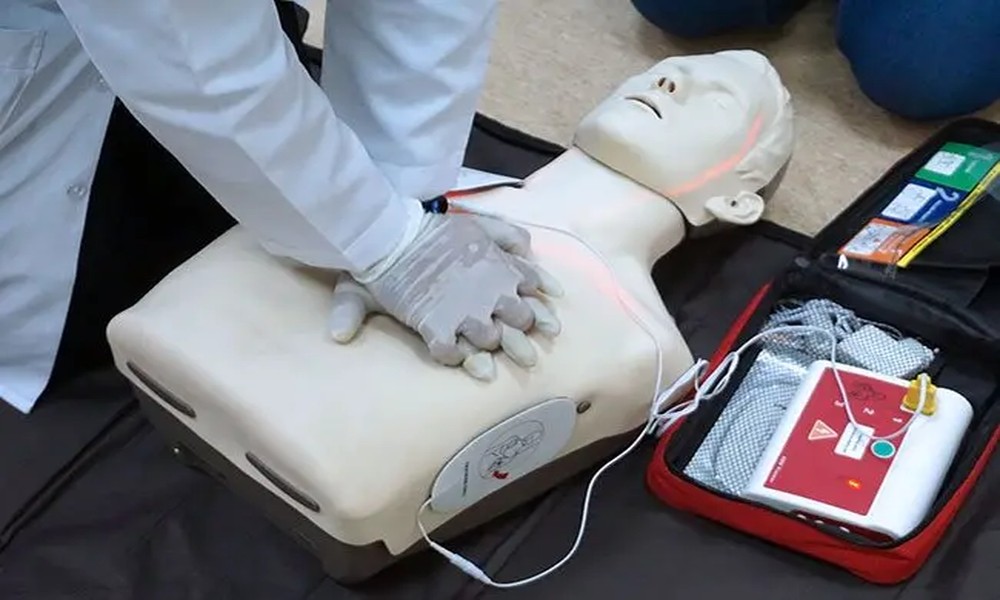

Sudden heart-related incidents can occur without warning in public or private settings. Quick action often improves the chance of a positive outcome during such moments. The presence of AED equipment helps people respond faster when every second matters. Clear guidance from modern devices supports prompt action during urgent events. Proper understanding of aed defibrillator use strengthens confidence during unexpected situations.
Why Does Rapid Action Matter?
When a cardiac emergency occurs, immediate attention can make a significant difference. Delays may reduce the possibility of restoring a stable condition. Fast response supports better outcomes while helping nearby individuals take useful steps. Timely action creates a stronger chain of support before additional help reaches the location.
Simple Device Operation
Modern units are designed with clear voice instructions that guide each step. This approach reduces confusion during stressful moments while supporting quick decision-making. Even individuals with limited knowledge can follow the prompts effectively. An aed defibrillator offers practical guidance that encourages prompt assistance when needed.
- Voice prompts guide actions clearly during urgent situations safely
- Visual indicators support quick understanding without causing confusion
- Simple controls reduce hesitation during stressful unexpected moments
- Clear instructions help improve response speed during emergencies
- Easy design supports confidence among nearby assisting individuals
Where Can Equipment Be Placed?
These units are often positioned in areas where people gather regularly. Easy access allows quicker retrieval during urgent conditions. Visibility also encourages awareness among the public. Proper placement planning supports stronger preparedness within shared environments.
Building Public Awareness
Education helps individuals recognize warning signs before conditions worsen. Community learning programs improve readiness while encouraging responsible action. Regular information sharing creates greater familiarity with emergency procedures. Increased understanding supports calm responses during critical situations.
Awareness Support Elements
- Community sessions encourage readiness during unexpected cardiac incidents
- Informative materials strengthen understanding of proper response steps
- Routine practice activities improve confidence in pressure situations
- Shared knowledge promotes responsible action among surrounding individuals
- Public guidance encourages faster recognition of warning signs
Can Training Improve Confidence?
Structured learning helps people become familiar with emergency procedures. Practice sessions reduce uncertainty while improving reaction speed. Participants gain a clearer understanding of device instructions through repeated exposure. Greater confidence often leads to more effective support during urgent circumstances.
What Supports Better Preparedness?
Preparedness relies on planning along with regular checks of available equipment. Organizations that review readiness measures can improve response capability. Visible guidance materials also support quick action when pressure levels are high. Maintaining awareness strengthens readiness across different environments where emergencies may occur.
Effective preparation depends on knowledge, accessibility, proper placement, routine review, plus community awareness. A coordinated approach helps reduce delays during urgent cardiac events while supporting faster action from nearby individuals. Consistent learning with practical readiness measures creates stronger protection during unexpected situations.
FAQs
Why is quick action important during sudden cardiac emergencies?
Quick response supports stability while reducing delays during emergencies.
Can untrained individuals use these devices during urgent situations?
Yes, clear instructions guide actions while supporting safer assistance.
What helps improve readiness for unexpected cardiac-related events?
Regular learning activities strengthen awareness while improving response confidence.