
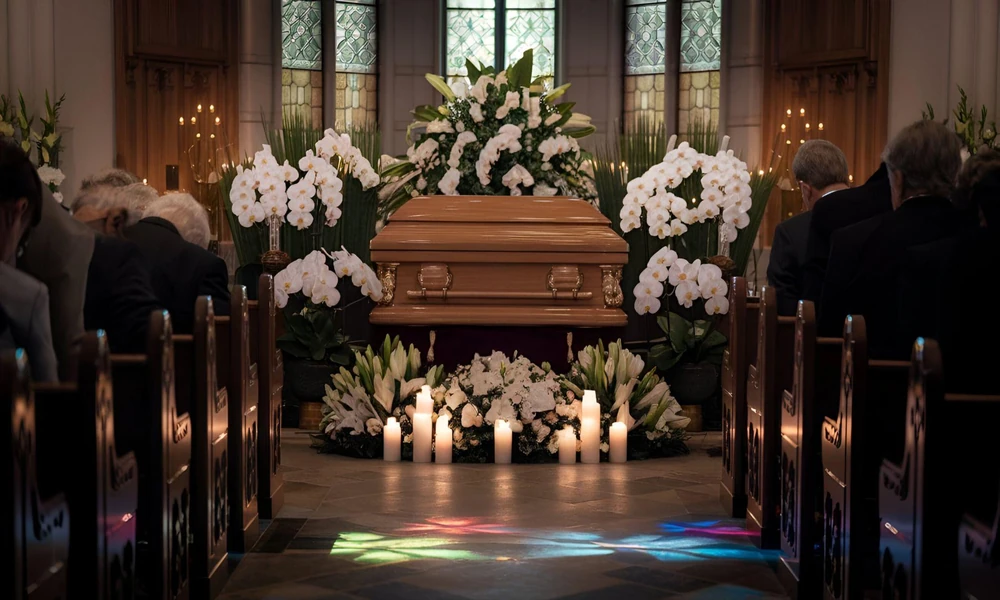

Organising a funeral for a loved one is a deeply emotional responsibility that requires balancing personal grief with practical decision-making. For Catholic families, the funeral process holds profound spiritual meaning, serving both as a prayer for the soul of the deceased and a source of Christian hope for the living. When arranging a Catholic funeral in Singapore, navigating specific church requirements alongside municipal guidelines can feel complex. Considering key spiritual, logistical, and cultural elements early ensures the entire memorial honors your loved one’s faith while easing the burden on surviving family members.
Key Aspects of Catholic Funeral Traditions
Catholic funeral rites are structured into three distinct stages, each serving a specific liturgical purpose.
- The Vigil (Wake): Held at a home, void deck, or funeral parlour, offering time for family and friends to gather, pray the Rosary, and share memories.
- The Funeral Mass: Celebrated in a Catholic church by a priest, focusing on the Eucharistic sacrifice and the resurrection of Christ.
- The Rite of Committal: The final prayers held at the place of interment or cremation, committing the body or ashes to their final resting place.
1. Coordinating Funeral Arrangements with Catholic Traditions
Aligning physical logistics with church customs is essential from the outset. Unlike purely secular or custom-built services, a Catholic funeral arrangements process requires active collaboration with your local parish. The availability of the parish priest, church sanctuary, and ministry teams must be confirmed before fixing public timings.
Family members should contact the parish office as soon as possible after a death occurs. The priest will guide the family through selecting liturgical readings, choosing appropriate hymns, and scheduling the Funeral Mass. Ensuring that secular customs or personal tributes do not clash with liturgical guidelines preserves the reverent nature of the church service.
2. Selecting a Suitable Location for the Wake
In Singapore, families generally choose between three main locations for holding a wake: HDB void decks, landed property grounds, or private funeral parlours. Each option carries different practical considerations regarding space, accessibility, and cost.
If holding the wake at an HDB void deck or open residential area, town council permits and temporary enclosure arrangements must be handled promptly. Private parlours offer air-conditioned comfort and built-in amenities, which may suit elderly relatives, but require early booking due to venue demand across the city.
3. Choosing Between Burial and Cremation
The Catholic Church permits both burial and cremation, provided the choice reflects Christian faith and respect for the human body. While traditional earth burial remains meaningful, land scarcity in Singapore means crypt or earth interments face specific lease durations.
If cremation is chosen, Catholic teaching dictates that the cremated remains must be treated with the same respect as the body. Ashes should be interred in a columbarium or buried in a consecrated space. Scattering ashes at sea or keeping them in a private residence is not permitted within Catholic doctrine.
4. Setting the Schedule for Nightly Prayers and the Rosary
Prayer forms the heart of the wake period. Families typically arrange for nightly prayers, including the recitation of the Holy Rosary and Divine Mercy Chaplets, led by parish bereavement groups, family members, or ministry volunteers.
Establishing a clear schedule for these nightly devotionals allows relatives, colleagues, and friends to plan their visits respectfully. Providing printed prayer booklets or digital screens ensures that non-Catholic attendees can follow along and participate comfortably in the reflection.
5. Managing Liturgical Details for the Funeral Mass
The Funeral Mass is the primary liturgical celebration for the deceased. Families work alongside the officiating priest to select suitable biblical readings-usually one from the Old Testament, a Psalm, a New Testament letter, and a Gospel passage.
Music selection must adhere strictly to sacred Catholic music standards. secular songs, popular music, or recorded pop tracks are not permitted during the Mass itself, though they may be played during informal wake hours. Choosing meaningful, church-approved hymns helps create a prayerful atmosphere for worshipers.
6. Navigating Administrative Permits and Documentation
Before any funeral service in Singapore can proceed, key legal requirements must be completed. Obtaining the Certificate of Cause of Death (CCOD) from a medical practitioner or hospital is the immediate first step.
Following the issuance of the CCOD, the death must be registered to obtain the official Death Certificate. This document is mandatory for securing booking slots for cremation at government crematoria or private columbaria, as well as obtaining town council permits for neighborhood wake setups.
7. Preparing for Post-Funeral Masses and Remembrance
Catholic care for the deceased continues long after the final committal service. It is customary for families to offer Mass intentions for the repose of the soul, particularly on the 7th day, 30th day, and annual death anniversaries.
Planning these remembrance services with your home parish offers ongoing spiritual comfort to grieving family members. It reinforces the Catholic belief in the Communion of Saints and provides structured moments throughout the year for relatives to gather in continued prayer.
Ensuring a Reverent Farewell
Planning a meaningful funeral requires blending respectful religious traditions with orderly practical arrangements. By addressing parish coordination, liturgical guidelines, and administrative details systematically, families can focus on honoring their loved one’s memory and supporting one another through grief.
Contact Casket Fairprice to learn more about our dedicated funeral packages and discuss how we can assist your family with complete Catholic funeral arrangements.