

Key Takeaways
A properly functioning transfer case helps distribute power to the drive axles and supports traction across different driving conditions.
Improved traction and stability can enhance vehicle control on slippery roads and challenging terrain.
High-quality remanufactured transfer cases may offer a cost-effective alternative to new components.
Recognizing warning signs and maintaining the drivetrain can help prevent more serious mechanical problems.
Choosing the right replacement and ensuring proper installation can help restore reliable vehicle performance.
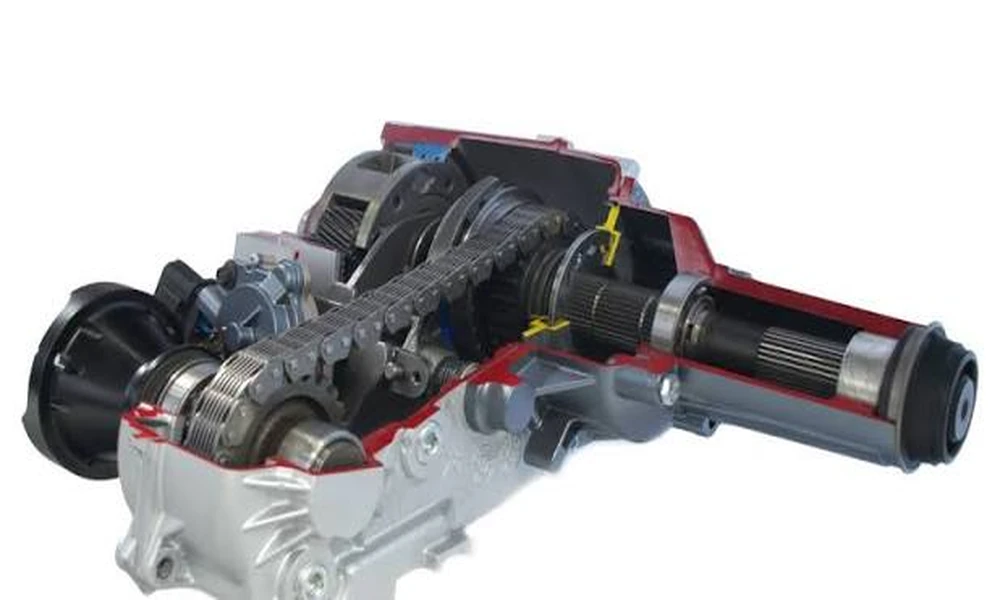
A vehicle’s drivetrain plays a crucial role in how efficiently it delivers power to the wheels. One important component in many four-wheel-drive and all-wheel-drive vehicles is the transfer case, which helps distribute engine power between the drive axles according to the vehicle’s drivetrain design.
When this component operates correctly, it supports traction, handling, and performance in different driving conditions. A worn or damaged unit, however, can affect drivability and lead to costly repairs if left unaddressed.
Understanding the benefits of a properly functioning transfer case can help vehicle owners make informed decisions about maintenance, replacement, and upgrades. Here are five ways this essential drivetrain component can enhance vehicle performance.
1. Improves Traction Across Different Terrains
One of the primary benefits of a transfer case is its role in distributing power to the drive axles in vehicles equipped with four-wheel-drive or certain all-wheel-drive systems. This functionality helps the vehicle maintain traction when road conditions become challenging.
Drivers may encounter loose gravel, muddy trails, steep inclines, snow, or wet pavement. In these situations, an appropriate drivetrain setup can help distribute available torque and improve the vehicle’s ability to move across uneven or slippery surfaces.
A properly functioning transfer case helps the drivetrain operate as designed, supporting more consistent power delivery when additional traction is needed. This can be especially valuable for off-road enthusiasts, drivers who regularly travel on unpaved roads, and people who encounter changing weather conditions.
However, traction also depends on tire condition, suspension components, road surfaces, and the vehicle’s overall drivetrain design. Maintaining these systems together helps support safe and dependable performance.
2. Enhances Vehicle Stability and Handling
Vehicle stability depends on several interconnected systems, including the drivetrain, suspension, tires, and steering components. A transfer case that operates correctly helps the drivetrain distribute power as intended, supporting predictable vehicle behavior under suitable driving conditions.
When driving on uneven terrain or navigating slippery roads, dependable drivetrain operation can help reduce interruptions in power delivery. This is particularly important for vehicles designed for off-road use or frequent driving in demanding environments.
A faulty transfer case may contribute to unusual vibrations, noises, or drivability problems. Addressing these symptoms early can help prevent additional wear and restore proper drivetrain operation.
For drivers who value confident handling, routine inspections and timely repairs are important. A properly maintained drivetrain helps the vehicle perform as designed, although handling also depends on tire grip, suspension condition, and other mechanical factors.
3. Offers a Cost-Effective Replacement Option
Replacing a damaged drivetrain component can be expensive, particularly when a brand-new part is required. High-quality remanufactured transfer cases may provide a more affordable alternative for vehicle owners who want to restore performance without automatically choosing a new unit.
Remanufacturing generally involves inspecting a used component, repairing or replacing worn parts, and testing the assembly according to the remanufacturer’s procedures. The quality of the final product depends on the supplier’s standards, the parts used, and the testing process.
Potential advantages of choosing a remanufactured unit include:
- Lower upfront costs: Remanufactured components may cost less than comparable new parts.
- Quality control: Reputable suppliers inspect and test units before sale.
- Warranty options: Some suppliers offer warranties covering specified defects or workmanship.
- Greater choice: Remanufactured units may provide additional replacement options for certain vehicle models.
Before purchasing, confirm that the unit matches your vehicle’s year, make, model, engine, and drivetrain configuration. Compare warranty terms, supplier reputation, shipping costs, and installation expenses rather than focusing on the purchase price alone.
A suitable remanufactured component can offer good value, but its reliability depends on the quality of the remanufacturing process and correct installation.
4. Supports More Sustainable Automotive Repairs
Remanufacturing can also provide environmental benefits by extending the useful life of existing automotive components. Rather than discarding an entire assembly, the process may allow serviceable materials and components to be reused.
This approach can reduce demand for some new raw materials and help limit the amount of automotive waste generated by replacement and repair activities.
Potential environmental advantages include:
- Reduced material waste: Reusing suitable components can keep some materials out of landfills.
- More efficient resource use: Remanufacturing can reduce the need to produce an entirely new assembly.
- Extended component life: Restoring a suitable unit can keep it in service for additional years.
- More repair options: Vehicle owners may be able to choose a remanufactured replacement instead of a brand-new component.
The actual environmental impact varies depending on the remanufacturing process, transportation, materials, and the condition of the original unit. Nevertheless, selecting a properly remanufactured component can be a practical way to consider both repair costs and resource conservation.
Vehicle owners should prioritize product quality and compatibility to ensure that an environmentally conscious purchase also meets their mechanical needs.
5. Restores Performance and Helps Extend Vehicle Life
A worn or damaged transfer case can affect drivetrain operation and may cause problems such as difficulty engaging four-wheel drive, unusual grinding or clunking sounds, fluid leaks, or vibrations. These symptoms can interfere with normal driving and may indicate that inspection or repair is necessary.
Replacing or repairing a faulty unit can help restore the vehicle’s intended drivetrain functionality. This is particularly beneficial for older vehicles that remain mechanically sound but require attention to specific drivetrain components.
Before deciding on an upgrade, look for warning signs such as:
- Difficulty engaging or disengaging four-wheel drive
- Grinding, humming, or clunking noises
- Fluid leaks around the transfer case
- Unexpected vibrations or changes in drivetrain behavior
- Dashboard warning lights or shifting-related problems, where applicable
These symptoms can also result from other drivetrain faults, so a professional diagnosis is recommended before purchasing replacement parts.
After installation, follow the manufacturer’s maintenance recommendations. Regular inspections, appropriate fluid service, and prompt attention to unusual noises or leaks can help protect the component and support long-term reliability.
Although replacing a transfer case does not automatically improve fuel economy or acceleration, restoring a faulty unit can help the vehicle return to its intended operating condition.
Tips for Choosing and Maintaining a Transfer Case
Selecting the correct replacement and maintaining it properly are essential for dependable drivetrain performance.
Consider the following recommendations:
- Verify compatibility: Match the replacement to your vehicle’s exact specifications and drivetrain configuration.
- Choose a reputable supplier: Review the remanufacturer’s inspection process, quality standards, and warranty.
- Follow service schedules: Use the specified fluid and maintenance intervals recommended by the vehicle manufacturer.
- Address warning signs early: Have unusual noises, leaks, vibrations, or engagement problems inspected promptly.
- Use qualified installation services: Proper installation helps prevent compatibility problems and avoidable mechanical damage.
These steps can help vehicle owners make informed repair decisions and reduce the risk of premature component failure.
Frequently Asked Questions
What does a transfer case do?
A transfer case distributes engine power between the drive axles in vehicles equipped with applicable four-wheel-drive or all-wheel-drive systems. Depending on the design, it may also provide different drive modes or gear ranges.
What are the common signs of a failing transfer case?
Common warning signs include difficulty engaging four-wheel drive, unusual grinding or clunking noises, fluid leaks, and drivetrain vibrations. These symptoms can have other causes, so a proper inspection is important.
Are remanufactured transfer cases reliable?
A remanufactured unit can be reliable when it is restored and tested using appropriate procedures and quality components. Reliability depends on the remanufacturer, the unit’s condition, compatibility, and installation quality.
Can replacing a transfer case improve fuel economy?
Replacing a faulty unit may restore proper drivetrain operation, but it does not guarantee better fuel economy. Fuel consumption also depends on vehicle condition, tires, driving habits, road conditions, and drivetrain design.
How often should a transfer case be serviced?
Service intervals vary by vehicle and usage. Follow the manufacturer’s recommendations for fluid inspections, fluid changes, and other maintenance. More demanding driving conditions may require additional attention.
Can a transfer case be installed in a different vehicle?
Compatibility is not guaranteed. Transfer cases differ in mounting arrangements, gearing, input and output configurations, and electronic controls. Always verify compatibility with the vehicle specifications before attempting a replacement.